Showing posts with label costus root. Show all posts

Tuesday, 15 September 2020

Healing Tonsillitis & Sa'oot

Healing Through Prophetic Medicine in Islam


Healing Diseases

Tonsillitis & Sa'oot

رَبَّنَا مَا خَلَقْتَ هَذا بَاطِلاً سُبْحَانَكَ فَقِنَا عَذَابَ النَّارِ

Prophet’s guidance on treating Tonsillitis and administering the medication orally


ثبت عنه فى الصحيحين أنه قال: خَيْرُ مَا تَدَاوَيْتُم به الحِجَامةُ، والقُسْطُ البَحْرِىُّ، ولا تُعَذِّبُوا صِبْيانَكُمْ بالغَمْزِ من العُذْرَةِ


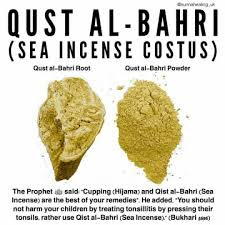
In the Sahihain, it is narrated that the Prophet Muhammad Sallallaho Alaihe Wasallam said: "Hijamah and marine costus are among your best remedies; and do not torture your children by pressing their uvula to cure tonsillitis".


وفى السنن و المسند عنه من حديث جابر بن عبد الله قال: دَخَلَ رسولُ الله صلى الله عليه وسلم على عائشة، وعِندَها صَبِىٌ يَسِيلُ مَنخراهُ دماً، فقال: ما هذا ؟ فقالوا: به العُذرةُ، أو وَجعٌ فى رأسه، فقال: وَيلكُنَّ، لا تَقْتُلنَ أَوْلادَكُنَّ، أيُّما امرأةٍ أصابَ وَلَدَها عُذْرَةٌ أو وَجَعٌ فى رأسِه، فَلْتَأخُذْ قُسْطاً هِنْدِيَّاً فَلْتَحُكَّه بماءٍ، ثم تُسْعِطْهُ إيَّاه فأمَرتْ عائشةُ رضى الله عنها فصُنِعَ ذلك بالصبىِّ، فبَرَأَ.


In addition, in the Sunan and Musnad (by Imam Ahmad) it is narrated that Jabir said, The Messenger of Allah came to Aishah Radi Allaho Anha and saw a boy with a bleeding nose and said, What is this?’ They said, “He is suffering from tonsillitis or a headache", He said: "Woe unto you! Do not kill your children. Let the mother whose child is suffering from tonsillitis or headache scrub Indian costus (aloes) with water and then administer it to the child through the nose". When Aishah Radi Allaho Anha ordered that the prescription be followed, the boy was cured". [Ahmed, Al Hakim].


Abu Ubaidah said, "Tonsillitis is a blood related throat irritation". It was said that tonsillitis is an ulcer that appears between the ear and the throat that especially afflicts young boys.


Administering scrubbed aloes (Qust al Bahri) through the nose helps against tonsillitis, which is essentially composed of blood related phlegm that accumulates in the bodies of young boys. Costus or Aloes tighten the uvula and pull it up to its proper place. Aloes (Qust al Bahri) help against other hot ailments. The author of AI-Qanoon stated that Costus, Yemeni alum and marjoram seeds help against tonsillitis.


The marine costus mentioned in the Hadith is the Indian aloes, particularly the one whitish in color, and it is sweet & has many benefits. Before, the people used to treat their children who suffered tonsillitis by pressing the uvula and sometimes affixing an object to the uvula. Prophet Muhammad Sallallaho Alaihe Wasallam disallowed this practice and guided the people to what is better, more beneficial end easier for the afflicted children.


Administering the medicine through the nose (Sa'oot) involves either simple or compound remedies that are ground and dried. Then, when warranted, the medication is administered through the nose of the afflicted person while he lay on his back and while his shoulders are elevated so that the head lay back. In this position, the medication would reach the head and extract the disease by sneezing.


Prophet Muhammad Sallallaho Alaihe Wasallam has praised using this method when there is a need that warrants it.


وذكر أبو داودَ فى سننه أنَّ النبىَّ صلى الله عليه وسلم اسْتَعطَ


Furthermore, Abu Dawood mentioned in his Sunan that our beloved Prophet used this method (Sa'oot) himself.


to be continued .....

Monday, 7 September 2020

Healing Pleurisy


Healing Through Prophetic Medicine in Islam


Healing Diseases

Pleurisy

رَّبِّ أَنزِلْنِي مُنزَلًا مُّبَارَكًا وَأَنتَ خَيْرُ الْمُنزِلِينَ

Prophet’s Guidance on treating Pleurisy

روى الترمذى فى "جامعه" من حديث زيد بن أرقمَ، أنَّ النبىَّ صلى الله عليه وسلم، قال: "تَدَاوَوْا مِنْ ذاتِ الجَنْبِ بالقُسْطِ البَحْرى والزَّيْتِ".

Narrated by Tirmizi, that Zaid ibn Arqam reported Prophet Muhammad Sallallaho Alaihe Wasallam saying "Treat Pleurisy with Qust al Bahri & oil (meaning olive oil)".

The doctors divide pleurisy into two types, real and unreal. The first type is an infected growth that appears in the pleura that coats the ribs. The second type causes a similar pain and attacks the pleura as a result of thick, congested flatulence between the peritoneum (smooth transparent membrane that lines the abdominal cavity and part of the pelvic region). The pain caused by the unreal pleurisy is acute while the real pleurisy causes stinging pain.

The author of Qanoon said, sometimes, the flank (of the body), the peritoneum, chest muscles, ribs and surrounding areas suffer from an extremely painful growth called pleurisy. Sometimes, there could be pain in these same areas of the body but not as a result of growth; but of accumulating harmful gases (flatulence), and thus, the people think that it is the first type when in fact it is not.’

He also said, "Know that every type of disease that attacks the side or the flank is called That ul Janb (pleurisy), which is derived from the place where it appears (i.e.  Janb, the flank). That is why every type of pain on the side or flank is called That ul Janb regardless of the cause of the ailment. This is the meaning of Hippocrate's statement that those suffering from That ul Janb will benefit from taking a bath. It is said that his statement includes those who suffer from pleurisy, as well as, lung disease (pulmonary) pains that result from a bad constitution, congested conditions without tumors or fever.

Some doctors said that in Greek, the term pleurisy means the warm growth that appears on the side and also the tumors of all internal organs. The tumor of any organ is called pleurisy when it is a warm tumor only. Further, there are five symptoms that accompany the real pleurisy: fever, coughing, stinging pain, hard breathing (dyspnea) and pneumonia.

Sea-costus (Indian costus) is used to treat the unreal pleurisy. When the Indian costus is ground to fine powder, blended with hot oil and then used as an ointment on the affected area, or when the ailing person licks it, it will be a good cure for that ailment. In this case, the costus decomposes the septic substances, strengthens the internal organs and opens the obstructions or clogs. Al-Masi’hi said, ‘Costus is hot and dry and constipates, strengthens the internal organs, dissipates the wind, opens the clogs, helps against pleurisy and dries out excess moistures. Also, costus is good for the brain and might help against the real pleurisy, if a phlegmatic substance had caused it; especially when the illness is weakening. And Allah Knows the best.”

That ul Janb is a dangerous disease, an authentic Hadith related by Umm Salamah Radi Allaho Anha reads,

وفى الحديث الصحيح: عن أُم سلمةَ، أنها قالت: بدأ رسولُ الله صلى الله عليه وسلم بمرضِه فى بيت ميمُونةَ، وكان كلَّما خَفَّ عليه، خرجَ وصلَّى بالناس، وكان كلَّما وَجَد ثِقَلاً، قال: "مُرُوا أبا بكرٍ فليُصَلِّ بالناس"، واشتد شكواه حتى غُمِرَ عليه مِن شدةِ الوجع، فاجتمع عنده نساؤه، وعمُّه العباس، وأُمُّ الفضل بنت الحارث، وأسماءُ بنت عُمَيْس، فتشاوروا فى لدِّهِ، فَلدُّوه وهو مغمورٌ، فلما أفاق قال: "مَن فعل بى هذا ؟ هذا من عمل نساءٍ جِئْنَ من ههُنا"، وأشار بيده إلى أرضِ الحبشةِ، وكانت أُمُّ سلمةَ وأسماءُ لَدَّتاهُ، فقالوا: يا رسولَ الله؛ خشِينَا أن يكون بكَ ذاتُ الجنب. قال: "فَبِمَ لَدَدْتُمُونى" ؟ قالوا: بالعُودِ الهندىِّ، وشىءٍ من وَرْسٍ وقَطِرَاتٍ من زيت. فقال: "ما كان اللهُ لِيَقْذِفَنِى بذلك الدَّاءِ"، ثم قال: "عَزَمْتُ عليكم أنْ لا يَبْقى فى البيتِ أحدٌ إلا لُدَّ  إلا عَمِّىَ العَبَّاس


"The final ailment that the Messenger of Allah suffered from started while he was in Maymunah’s house. Whenever the Prophet felt the pain had eased, he would go out and lead the people in prayer. Whenever the pain intensified, he would say, "Order Abu Bakr (Radi Allaho Anh) to lead the people in prayer. The pain kept intensifying until the Prophet Sallallaho Alaihe Wasallam lost consciousness. When the pain intensified, his wives, his uncle Abbas, Umm Al-Fadhl bint Al-Harith and Asma bint Umais Radi Allaho Anhum discussed among each other about giving a medicine to the Prophet and they did just that while he was unconscious. When he woke up, he said, "Who did this to me? It seems that this is the work of some women who came from there, pointing to the direction of Ethiopia with his hand". Umm Salamah and Asma were the ones who had administered the medicine to the Prophet (they were among those who had migrated to Ethiopia), and they said, O Messenger of Allah, we were afraid that you were suffering from That ul Janb". He said, "What medicine did you give me? They said, some Indian costus, Wars and some drops of oil. He said, Allah would never inflict this type of disease on me". He then said, "I order you that every person present in this house take some of the same medicine, except for my uncle Al-Abbas".


to be continued .....


Tuesday, 21 July 2020

Healing by Herbs - Qust al Bahri Costus


Healing Through Prophetic Medicine in Islam


Healing by Herbs

قــسط البحري / Qust-al-Bahri ~ Costus

قُسْطٌ وكُسْت بمعنى واحد‏.‏ وفى ‏(‏الصحيحين‏)‏‏:‏ من حديث أنس رضى الله عنه، عن النبىِّ صلى الله عليه وسلم‏:‏ ‏(‏خيرُ ما تداوَيْتُم به الحِجامةُ والقُسْطُ البَحْرِىُّ‏)‏‏.‏ وفى ‏(‏المسند‏)‏‏:‏ من حديث أُمِّ قيـس، عن النبىِّ صلى الله عليه وسلم‏:‏ ‏(‏عليكم بهذا العُود الهندىِّ، فإنَّ فيه سَـبْعَةَ أشْــفِيةٍ منها ذاتُ الجَنْبِ‏)‏‏.‏

القُسْط‏:‏ نوعان‏.‏ أحدهما‏:‏ الأبيضُ الذي يُقَال له‏:‏ البحرىُّ‏.‏ والآخر‏:‏ الهندىُّ، وهو أشدُّهما حراً، والأبيضُ ألينهُما، ومنافعُهما كثيرة جداً‏.‏ وهما حاران يابسان في الثالثة، يُنشِّفان البلغم، قاطعانِ للزُّكام، وإذا شُرِبَا، نفعا من ضعف الكَبِدِ والمَعِدَة ومن بردهما، ومِن حُمَّى الدَّوْرِ والرِّبع، وقطعا وجعَ الجنب، ونفعا مِن السُّمُوم، وإذا طُلِىَ به الوجهُ معجوناً بالماء والعسل، قَلَعَ الكَلَف‏.‏

وقال ‏(‏جالينوسُ‏)‏‏:‏ ينفع من الكُزَاز، ووجع الجَنْبين، ويقتل حَبَّ القَرَع‏.‏ وقد خفىَ على جُهَّال الأطباء نفعُه من وجِعَ ذاتِ الجَنْب، فأنكروه، ولو ظَفِر هذا الجاهلُ بهذا النقل عن ‏(‏جالينوس‏)‏ لنزَّله منزلةَ النص، كيف وقد نصَّ كثيرٌ من الأطباء المتقدمين على أنَّ القُسْطَ يصلحُ للنوع البلغمىِّ من ذات الجنب، ذكره الخطَّابىُّ عن محمد بن الجَهْم‏.‏ وقد تقدَّم أنَّ طِبُّ الأطباء بالنسبة إلى طِبِّ الأنبياء أقلُّ من نسبةِ طِب الطُّرقيَّة والعجائز إلى طِبِّ الأطباء، وأنَّ بيْن ما يُلقَّى بالوحى، وبيْن ما يُلَقَّى بالتجربة، والقياسِ من الفرْق أعظمَ مما بَيْن القَدَم والفرق‏.‏

ولو أنَّ هؤلاء الجُهَّال وجدوا دواءً منصوصاً عن بعض اليهود والنصارى والمشركين من الأطباء، لتلقَّوْه بالقبول والتسليم، ولم يتوقَّفُوا على تجربته‏.‏ نعم‏.‏‏.‏ نحن لا ننكِرُ أنَّ للعادة تأثيراً في الانتفاع بالدواء وعدمه، فمَن اعتاد دواءً وغذاءً، كان أنفعَ له، وأوفقَ ممن لم يَعتدْه، بل ربما لم ينتفع به مَن لم يعتده‏.‏ وكلامُ فضلاء الأطباء وإن كان مطلَقاً فهو بحسب الأمزجة والأزمنة، والأماكن والعوائد، وإذا كان التقييدُ بذلك لا يقدح في كلامهم ومعارفهم، فكيف يقدح في كلام الصادق المصدوق، ولكن نفوس البَشَر مركبةٌ على الجهل والظلم، إلا مَن أيَّده الله بروح الإيمان، ونَوَّرَ بَصيرته بنور الهُدَى‏.‏

In the Sahihain, it is narrated that Anas Radi Allaho Anh related from Prophet Muhammad Sallallaho Alaihe Wasallam that he said : "Cupping and Qust al Bahri (Marine Costus) are the best of your remedies".


Also, Imam Ahmad narrated that Prophet Muhammad Sallallaho Alaihe Wasallam said : "Use this Indian wood, because it contains seven types of cures, among them a cure for pleurisy".


There are two kinds of Qust, the white kind that is called Qust al Bahri, and the Indian Qust, which is the hottest among them while the white type is the mildest, both kinds have many benefits.


Both kinds of Qust are hot and dry in the third degree, and they dry out the phlegm and colds. When they are taken as a drink, they help a weak liver and stomach and the colds associated with such cases, costus also helps against Quartan fever (fever that comes on every fourth day), the pain on the side of the body and poisons.When the face is anointed with Qust that is kneaded with water and honey, they heal the spots that appear on the face, Galinus said that costus heals tetanus, the pain in the sides and kills spots (which he called the seeds of the pumpkin).


Some ignorant doctors are unaware of and deny the Qust as an effective remedy against the pain in the sides of body (Pleurisy). If these ignorant doctors become aware of what Galinus has stated about the Qust, they will quickly embrace it as if it was a divine text; moreover, many doctors have also stated that Qust helps against the pain in the flank that is accompanied by phlegm.


We stated before that difference between the remedies contained in the Prophetic medicine and the remedies of regular doctors; is much larger than the difference between folk medicine as compared to regular medicine. We also stated that what is sent down of the divine revelation, as compared to what is proven by experimentation compares to the difference between the Noble Master and the commoner.


In addition, if any of the ignorant doctors [who ignore the Prophetic medicine] were able to discover a remedy that the Jews, the Christians and the polytheist doctors have prescribed, they would embrace it and would certainly prescribe it.


We do not deny that habits have a role in making the cure work or fail. Those who are used to certain foods and medicines would benefit from such items more than those who are not habitual to them and who sometimes would not benefit at all from them.


The statements of the best doctors do not apply in all cases and places. Taking the statements of these doctors as being specific and not general does not lessen the degree of their knowledge. The same ruling applies even more to the statements of the Prophets. Yet, the hearts of mankind have a built-in degree of ignorance and injustice, except for those whom Allah has endowed with the light of correct faith and enlightened their hearts with true guidance.

Qust-e-Talkh ~ Oud Al-Hindi

Qust-al-Bahri ~ Qust-e-Shireen


to be continued .....